How to Care for Pothos Plants Indoors: A No-Fuss Practical Guide
Learning how to care for pothos plants indoors took me three dead plants and one very patient neighbor before it finally clicked: the trick is doing less, not more. Pothos forgive almost anything except a constantly wet pot, which is exactly why they keep appearing on every list of the best indoor plants for low light. Give them free-draining soil, a bright spot out of direct sun, and a watering can you rarely reach for, and they will outgrow your shelf.
Table of Content
How Much Light Does Pothos Need Indoors?
Bright Indirect Light vs a Dim Corner
Practical answer: an east or north window a couple of feet back from the glass is the sweet spot. Direct midday sun through south or west glass scorches leaves into pale, crispy patches, so a sheer curtain helps if that is all you have. Deep interior corners keep pothos alive but nearly dormant, and growth can stall for months.

Why Variegated Pothos Reverts to Green
Variegated cultivars such as Golden or Marble Queen need more light than solid green types because the white and yellow sections carry no chlorophyll. Move a fading plant closer to a window and new leaves usually arrive with stronger markings within six to eight weeks. Older faded leaves will not turn back, so trim them if the look bothers you.
| Position | Light level | Typical growth | Variegation |
|---|---|---|---|
| North window, 1 ndash;3 feet away | Low to medium | Slow but steady | Fades noticeably |
| East window sill | Bright indirect | Steady, larger leaves | Strong and stable |
| South or west window with a sheer curtain | Bright, filtered | Fastest growth | Most vivid color |
| Interior wall over 6 feet from glass | Very low | Nearly dormant | Often fully green |
How Often Should You Water Indoor Pothos?
Let the Soil Dry Instead of Watering on a Schedule
Water when the top two inches of soil feel dry, not when the calendar says so. In a warm room that usually means every seven to ten days; in winter, or in a cooler spot, it can stretch to two or three weeks. You cannot really water too much in one go, but you can water too often.
Three Ways to Tell If Pothos Is Thirsty
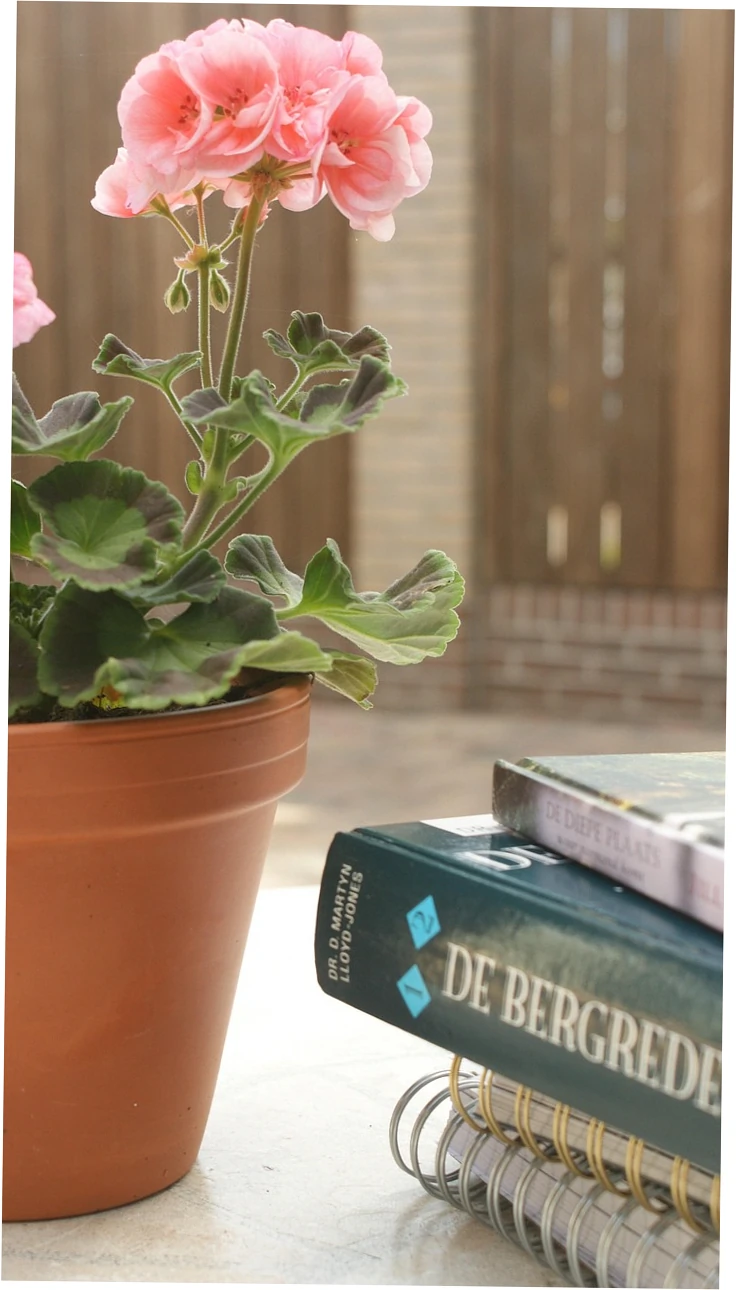
My reliable trio is the finger test, pot weight, and a cheap moisture meter. Push a finger down to the second knuckle, lift the pot to feel how light it has become, and if you want a number, a meter reading under three means water. Drooping leaves are the plant’s last and loudest request, so do not wait for that every time.
| What you notice | What it means | What to do |
|---|---|---|
| Top 2 inches of soil feel dry | Ready for a drink | Water thoroughly until it drains out |
| Soil still damp, pot feels heavy | Too early | Wait three to five days and check again |
| Leaves droop and soften, soil is dry | Genuinely thirsty | Water immediately |
| Leaves yellow, soil stays wet | Overwatered | Stop watering, inspect the roots |
| Pot feels light, soil pulls from the sides | Bone dry | Soak the pot for twenty minutes, then drain |
Which Mistakes Cause Yellow Pothos Leaves?
Overwatering, Root Rot, and Pot Size
Most yellow leaves trace back to roots sitting in wet soil. Pothos roots need oxygen between drinks, and a pot that is too large holds far more moisture than a small root ball can absorb. I now keep mine in a nursery pot inside a decorative cachepot and simply lift it out to water, which gives excellent drainage without any mess on the shelf.
Fertilizer, Pests, and Dusty Leaves
Pothos are light feeders, so I dilute a balanced liquid fertilizer to quarter strength and apply it roughly every sixty days through spring and summer. Thrips and fungus gnats are the main annoyances, and wet, peaty soil invites the gnats. Wipe the leaves every few weeks so the plant can actually photosynthesize, and quarantine any new arrival for a fortnight.
| Standard advice | Real-world experience |
|---|---|
| Water once a week | Waiting for the top 2 inches to dry works better; actual gaps often run seven to fourteen days |
| Feed every two weeks in the growing season | Quarter-strength feeding every sixty days keeps growth steady without salt buildup |
| Repot into a bigger container right after purchase | Letting roots fill the current pot first lowers the risk of rot dramatically |
| Growing in water is the low-effort option | Water-grown plants need frequent refreshing and cleaning, which many people find more work |
| Pothos need bright light at all times | An east window or a well-lit shelf is plenty; dim corners survive but lose their markings |
Should Pothos Climb or Trail Indoors?
Climbing on a Moss Pole or Trellis
Give pothos something to climb and the stems will grip it, producing noticeably larger leaves as the plant matures. A moss pole, coir totem, or simple trellis works; keep it lightly damp and the aerial roots will attach within weeks. Some growers add a little silica to the feeding routine to strengthen cell walls on climbing stems.

Trailing From Shelves and Hanging Baskets
If you would rather let the vines cascade, pinch the tips occasionally to keep growth full instead of leggy. Hanging baskets near an east window look wonderful, though higher exposure dries the soil faster, so check moisture more often. Pothos also sits comfortably among the easiest houseplants for beginners, tolerating missed waterings and dim weeks alike.
| Factor | Climbing | Trailing |
|---|---|---|
| Leaf size over time | Gets noticeably bigger | Stays smaller |
| Light needed | Bright indirect, top of the pole | Tolerates slightly dimmer spots |
| Maintenance | Train and mist the pole | Pinch tips to stay bushy |
| Best for | Floor planters, corners | Shelves, desks, hanging baskets |
| Risk | Dried-out poles, unstable pots | Leggy vines, tangled with furniture |
How to Keep Pothos Thriving for Years
Repotting and Root Checks
Roots that circle the inside of the pot or push out through the drainage holes mean it is time for a slightly larger container, usually one size up and no more. Use an aroid or orchid-style mix with plenty of bark and perlite. Early spring is the safest window, and freshly repotted plants should stay out of direct sun for about a week.
Winter Care and Dry Indoor Air
Growth slows dramatically from late autumn, so cut watering back and stop feeding until you see new shoots. Dry indoor air rarely kills pothos, but leaf tips can brown; a pebble tray or grouping plants together helps more than misting, which does little for humidity and can encourage fungal spots. Keep plants away from cold drafts and radiators.

A Simple Pothos Routine You Can Follow
Here is the framework I hand to friends who ask me the same question every spring. Check the soil twice a week with a finger or a meter, water only when the top two inches are dry, rotate the pot a quarter turn every watering so growth stays even, and feed at quarter strength once every two months from March to September.
Then set two calendar reminders: one monthly leaf-wipe and pest inspection, and one annual root check in early spring. That is genuinely the whole system. Pothos reward consistency far more than intensity, and a plant that gets ignored for ten days will forgive you faster than one that gets fussed over daily.
Further reading worth your time: university extension guides on houseplant irrigation, aroid potting-mix research, and any reliable light-meter app documentation if you want to measure your actual window conditions.
Pothos Care Questions Answered
Can pothos survive in a windowless room?
It will survive for a while, but it will not really grow. A bathroom with a small frosted window or a desk with a modest grow light suits them far better. Without any light source, expect slow decline over several months rather than instant death, so the honest answer is no for long-term health.
Why do my pothos leaves keep turning yellow?
Yellow leaves almost always come from roots staying wet too long, followed by oversized pots and compacted soil. Check drainage first, then pot size, then watering frequency. If the soil smells sour or the stems feel mushy at the base, you are dealing with rot and should trim back to firm, healthy tissue.
Is it better to grow pothos in water or in soil?
Water culture looks sleek and is great for cuttings, but it needs regular refreshing and vessel cleaning, and plants eventually slow down without nutrients. Soil in a well-draining aroid mix is more forgiving and supports heavier growth. Many people root cuttings in water, then move them into soil once roots reach a few inches.
Do pothos really need fertilizer to keep growing?
Not much. A dilute feed every sixty days during the growing season is plenty, and skipping it entirely will not kill an established plant. Overfeeding causes more visible damage than underfeeding, usually in the form of brown leaf tips and a crust of salts on the soil surface.
How do I stop my pothos from getting leggy and bare?
Prune the longest vines back to a node, and new branches will push out lower down. Move the plant closer to bright indirect light, since stretching is usually a light-seeking response. Cuttings from those trims can go straight back into the same pot to fill it out faster.
Is pothos safe in a home with pets and small children?
Pothos contains calcium oxalate crystals, which irritate mouths and stomachs if chewed, so it is not the ideal choice for a household with a determined chewer. Hanging baskets and high shelves solve the problem easily. Contact your veterinarian or a poison control service if you suspect ingestion.
What is the biggest mistake beginners make with pothos?
Caring too much. Watering on a fixed schedule, repotting immediately, and feeding often are the three habits that kill more pothos than neglect ever does. Learn to read the soil and the leaves, let the plant get slightly root-bound, and accept that a few yellow leaves during adjustment are normal.