What Makes a Houseplant Safe for Pets?
I’ve lost three ferns and a lot of faith in pet-safe stickers, so here’s the short version: indoor plants safe for cats and dogs come down to two separate things — chemical toxicity and physical access. A plant can be entirely non-toxic and still ruin your week, and if your apartment is dim, the shortlist narrows fast, so skim a best low-light indoor plants guide before you spend money.
Table of Content
Toxicity Is a Spectrum, Not a Switch
Veterinary toxicologists rarely deal in absolutes; what matters is the compound, the dose, and the animal. Araceae plants such as pothos and philodendron carry insoluble calcium oxalate crystals that cause mouth burning and drooling, while true lilies can trigger kidney failure in cats after trivial exposure. Snake plants sit between those poles, causing nausea from saponins rather than organ damage.
That gap explains how two owners describe the same species as totally fine and a disaster. Species matters, but so do weight, age, and how much leaf actually gets swallowed. Kittens investigate everything; senior cats often ignore greenery entirely. Assessing your own animal’s habits beats memorizing a single pass-or-fail list you found online.
The Common Name Trap That Catches Owners
Common names cause more bad decisions here than anything else. Palm covers both the harmless parlor palm and the liver-destroying sago palm. Geranium in a garden center usually means Pelargonium, which is toxic. Jasmine might be true Jasminum, or it might be Carolina jessamine — an entirely different and dangerous plant.
Before buying, get the botanical name off the tag and cross-reference it against a veterinary database instead of trusting a nursery sign. If a seller can’t name the genus and species, treat that plant as unknown and walk away. That single habit prevents most of the accidental poisonings I hear about from other owners.
Which Low-Light Plants Are Pet-Safe?
Here’s the awkward part nobody mentions: the plants most tolerant of dim corners are rarely the ones with the cleanest safety record, and the reverse holds too. The practical approach is to filter by light tolerance first, confirm toxicity status second, and only then decide whether your cat can physically reach the pot.
| Plant | Botanical name | Light needs | Reported status |
|---|---|---|---|
| Cast iron plant | Aspidistra elatior | Low | Non-toxic |
| Snake plant | Dracaena trifasciata | Very low | Toxic (saponins) |
| Spider plant | Chlorophytum comosum | Low to medium | Non-toxic |
| Parlor palm | Chamaedorea elegans | Low to medium | Non-toxic |
| Peace lily | Spathiphyllum wallisii | Low | Toxic (oral irritation) |
| Prayer plant | Maranta leuconeura | Medium-low | Non-toxic |
| Peperomia | Peperomia spp. | Medium-low | Non-toxic |
Non-Toxic Choices That Tolerate Shade
If your room offers nothing but ambient light, cast iron plant, parlor palm, and spider plant are the safest bets that also forgive neglect. Prayer plants and peperomias handle medium-low light and stay compact enough for a shelf a cat can’t easily reach. Hoyas want brighter indirect light but repay you with thick foliage most cats ignore.
Spider plants deserve a footnote: they are listed as non-toxic, yet owners regularly report vomiting after long chewing sessions. The suspected cause is saponin-like compounds with mild psychoactive effects, but the evidence stays largely anecdotal and the mechanism is poorly documented. Fiber overload alone can upset a sensitive stomach.

Safe Plants and Their Toxic Lookalikes
| Safe option | Confused with | Why it matters |
|---|---|---|
| Parlor or areca palm | Sago palm (Cycas revoluta) | Sago causes severe liver damage in cats and dogs |
| Haworthia succulent | Aloe vera | Aloe triggers vomiting, diarrhea and lethargy |
| Phalaenopsis orchid | Lilium and daylily | True lilies can cause fatal kidney failure in cats |
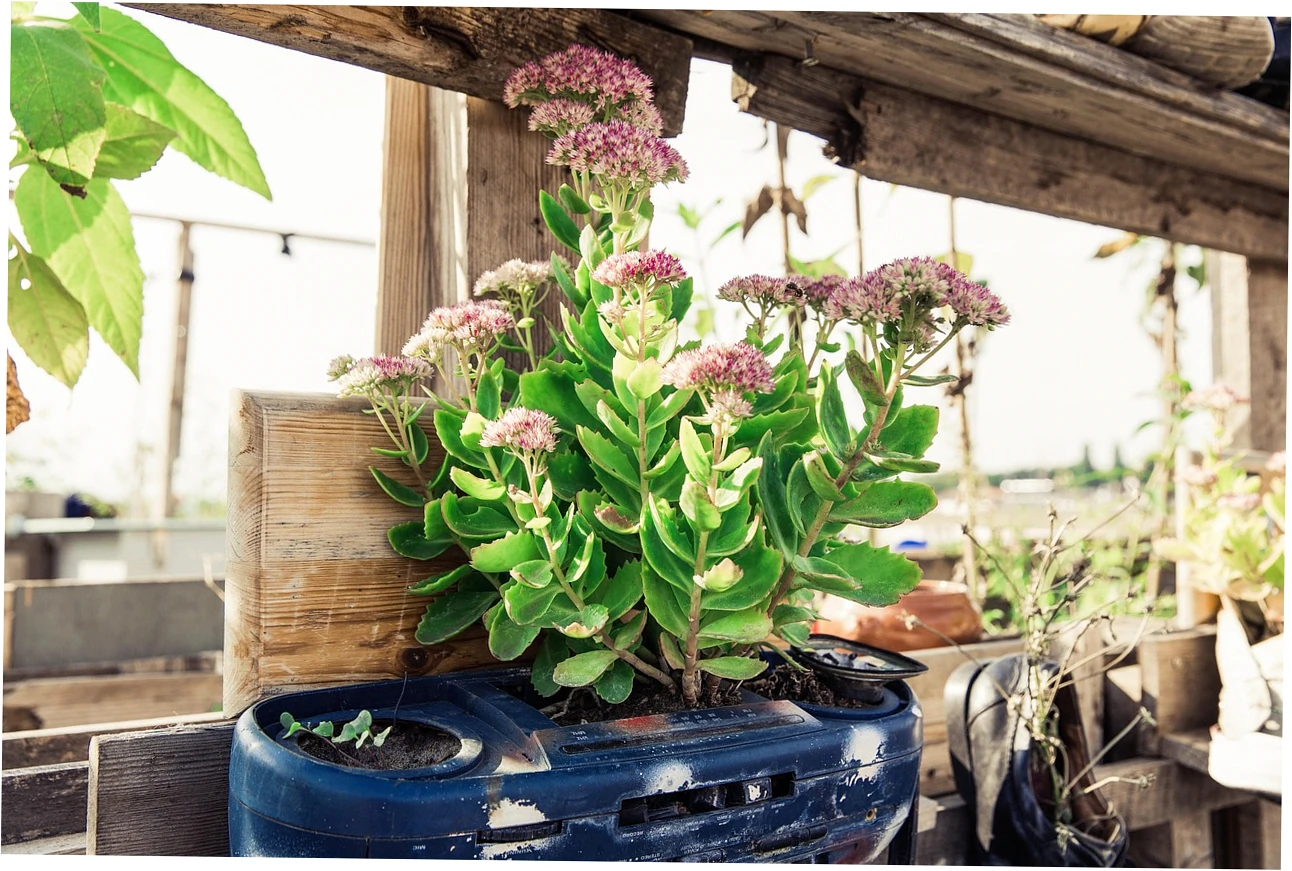
| Echeveria or Sedum | Kalanchoe blossfeldiana | Kalanchoe can disturb heart rhythm |
Do Leaf Shape and Texture Change the Risk?
Texture matters more than most guides admit. Cats that hunt grass-like foliage will target spider plants, ponytail palms and dracaenas; animals drawn to waxy or papery leaves head straight for pothos, aglaonema and jade. Knowing your cat’s texture preference tells you which pots need a high shelf and which can sit on the floor.
Thick, bitter succulent leaves get ignored surprisingly often, though that is a pattern rather than a promise. Anecdotal reports suggest many cats lose interest after one exploratory bite, which is exactly why access control still earns its keep. Individual taste, boredom and even seasonal shedding shift the math month to month.
How Do You Stop Cats Chewing Houseplants?
Behavior beats botany. You can curate the safest collection on earth and still lose it to a bored cat at three in the morning, so shape the environment before you shape the plant shelf.
Placement Beats Willpower Every Time
Hanging baskets, wall-mounted shelves and closed rooms are the only barriers that hold up over years. Packing a surface with clutter leaves no landing zone for a jump, which works remarkably well in small apartments where floor space is precious. If a plant must stay low, a wire cloche or a citrus-soaked ribbon around the pot discourages casual nibbling.
Weight matters too. Heavy ceramic pots resist tipping, and a layer of large stones over the soil blocks digging and discourages cats from treating planters as litter boxes. None of this is elegant, but it is what actually protects both parties when you are not home to referee.

Distraction Plants That Actually Work
The trick experienced owners repeat most often is a sacrificial crop: wheat, oat or rye grass grown purely for chewing. Cat grass satisfies the urge to graze, is commonly reported to ease hairballs, and redirects attention away from your monstera. Catnip does the same for many animals, though a substantial minority of cats ignore it completely.
Pair distraction with gentle deterrents. Motion-triggered sprayers, sudden sounds and consistent redirection teach most cats within a couple of weeks. Young cats and kittens learn fastest, while some older cats never bother with plants at all — one quiet advantage of adopting a senior animal.
Are Pet-Safe Plant Labels Always Reliable?
Not entirely. Major toxic plant databases differ in scope, update schedules and which species they formally list, and no list knows how much leaf your particular animal actually swallowed.
Mild Upset vs. Emergency Room
| Tier | Typical signs | Example plants | What to do |
|---|---|---|---|
| 1: Mild digestive upset | Drooling, vomiting, soft stool after heavy ingestion | Spider plant, mild saponin species | Remove access, offer water, monitor for 24 hours |
| 2: Oral irritation | Pawing at mouth, drooling, swelling, refusing food | Pothos, philodendron, peace lily, dieffenbachia | Rinse the mouth, call your vet or a poison line |
| 3: Systemic emergency | Lethargy, tremors, breathing changes, no urine output | True lily, sago palm, kalanchoe, oleander | Go to an emergency clinic immediately, do not wait |
This tiering is the piece I wish every plant tag included. Owners who understand the difference stop panicking over a chewed spider plant — and stop waiting when a lily enters the house. When in doubt, ASPCA Animal Poison Control (888-426-4435) and Pet Poison Helpline answer around the clock, though both charge a consultation fee.
Official Claims vs. Owner Reality
| Plant | Official status | Commonly reported experience |
|---|---|---|
| Spider plant | Non-toxic to cats and dogs | Chewed constantly; repeated vomiting in sensitive cats |
| Snake plant | Toxic (saponins) | Often ignored because leaves are tough and fibrous |
| Peace lily | Toxic (oral irritation) | Frequently untouched for years; far less severe than true lilies |
| Pothos | Toxic (oral irritation) | Vines get batted and chewed; drooling is the usual first sign |
| Ponytail palm | Non-toxic | Extremely attractive to cats; nibbled down to stubs |
| Jade plant | Toxic | Bitter taste deters many cats, persistent chewers still get sick |
Reading both columns together is more useful than reading either alone. The plant labeled dangerous often sits untouched for a decade, while the one labeled safe gets munched every afternoon. Behavior, not the label, decides the outcome in most households.
Plants That Are Never Worth the Risk
Certain species should simply never enter a home with cats. True lilies, including Easter, Asiatic and daylilies, can cause fatal kidney injury through pollen, vase water or a single leaf. Sago palm, oleander, foxglove, castor bean, yew and autumn crocus sit in the same bracket. There is no clever placement — only removal.
One more caution: dried arrangements hide identical risks. Cats groom pollen off their fur, so a lily in a vase on a high shelf is still an exposure route. Ask florists directly for pet-safe stems, and when you cannot confirm the species, keep the bouquet behind a closed door.
How to Build a Pet-Safe Plant Collection
Start with three or four confirmed non-toxic species matched to your light levels, place them where your animal cannot reach them anyway, and add a grazing plant. That combination handles both risk and boredom, which is where most plant-and-pet conflicts begin in the first place.
Run a Two-Week Observation Period
Bring one plant home at a time and watch for two weeks before adding another. Note which pots your cat investigates and whether leaves get treated as toys or food. Never assume a plant is protected simply because a database calls it safe.
Keep a running note of the botanical names you verified and the date you checked them, since listings occasionally change. If something gets chewed, photograph the damaged plant, bag a leaf sample, and call your vet with the confirmed species name. That preparation shortens treatment time considerably.
Where to Buy and What to Ask
Independent nurseries and specialty growers usually label by botanical name, which justifies a slightly higher price. Plant swaps and community groups are wonderful for affordable starts, but verify identification yourself. Big-box stores often sell mass-produced plants tagged only as assorted foliage, which tells you precisely nothing useful.
Ask about pesticide use and growing methods too. A plant treated with systemic insecticide a week before purchase carries a different risk profile than an untreated one, and sustainably propagated, peat-reduced stock from a grower who answers questions honestly is worth seeking out. Organic does not automatically mean safe for cats, but transparency tells you what you need.
Questions Owners Ask About Pet-Safe Plants
Is a spider plant really safe for cats and dogs?
Major veterinary databases list it as non-toxic, and most exposures cause nothing worse than mild stomach upset. Sensitive animals can still vomit repeatedly after eating a lot, and some owners describe a mildly stimulating effect. Treat it as low risk in small amounts, not as a snack.
Which low-light houseplants are safest if I have a dog?
Cast iron plant, parlor palm, Boston fern, prayer plant and peperomia all tolerate shade without serious toxicity concerns. Dogs climb far less than cats, so floor-level placement is often workable. Chewing puppies still need the same physical barriers as a determined feline.
Can my cat get sick from a plant labeled non-toxic?
Yes. Non-toxic means not expected to cause poisoning, not harmless in any quantity. Large amounts of any plant fiber can trigger vomiting or diarrhea, and individual sensitivities vary widely. If symptoms last beyond a day, or your cat stops eating, call your vet rather than waiting.
Are peace lilies as dangerous as true lilies?
No, and that distinction prevents a lot of panic. Peace lilies contain insoluble calcium oxalate crystals that cause mouth burning, drooling and vomiting, but not kidney failure. True lilies in the Lilium and Hemerocallis genera are the catastrophic ones, particularly for cats.
Does a bitter-tasting plant actually stop cats from chewing?
Sometimes, never reliably. Thick, waxy or bitter leaves deter plenty of cats, and owners often describe their animals losing interest after a single bite. Persistent chewers ignore taste entirely, so deterrents should support physical barriers rather than replace them.
Is it worth paying more for plants labeled with botanical names?
Usually yes. Accurate identification is the most valuable information on any plant tag, and specialty growers provide it far more consistently than mass-market retailers. A slightly higher price for a correctly named plant is cheaper than an emergency vet visit.
What should I do if my cat eats part of my houseplant?
Remove the plant, watch for symptoms, and identify the species before calling for help. Drooling, vomiting and pawing at the mouth are the common early signs. For true lily or sago palm exposure, skip the wait-and-see stage and head straight to an emergency clinic.